My vest comprised
One very tight fitting and lightly quilted Gilet/body warmer, that fits very snugly over a T shirt. I believe its important to be warming the body (circulation actually) rather than the clothing .
A bit of electrical cable such as might be used for a household mains lamp.
Floating fuse.
Power connectors. I found the Bosch type used by BMW to be a bit unreliable, so now use connectors which are designed for recharging radio controlled cars, as they have adequate power rating and don't pulll apart too easily ( in fact using a needle file the retaining clips can be tuned to provide the seperating resistance which suits you best).
A bit of shrink on electrical sleeve.
The heating element wire. I bought mine from a guy on ebay. Essentially, 10 metres of wire having a resistance of about 0.3 ohm per metre, say 30 gauge (which is really quite fine)
http://www.cirris.com/testing/resistance/wire.html will produce a 48 watt jacket, which will do nicely.
The wire should be braided and have a durable heat resistant coating.
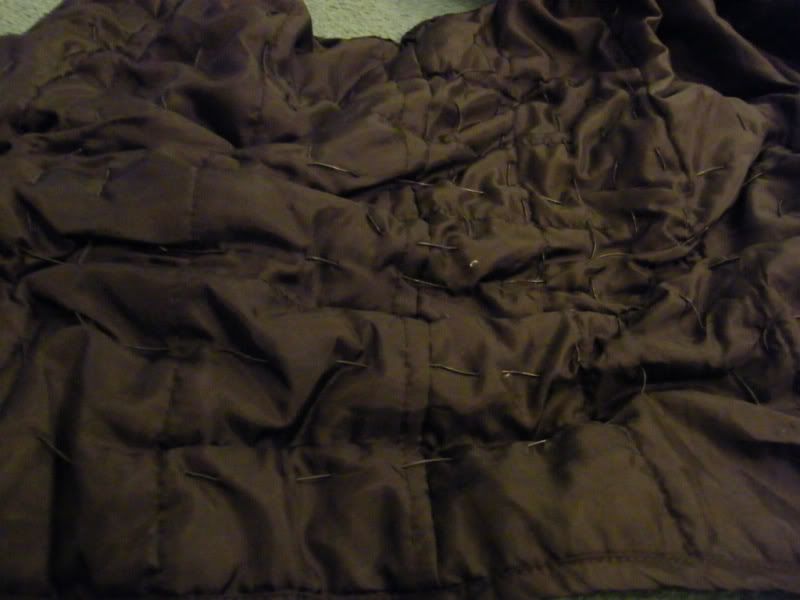
I just took a big darning needle and sewed the heating wire into the Gilet. As the element wire is so fine, the two ends can best connected to the power cable using a miniature block connector, which is then located securely by sewing it up in the Gilet’s pocket. The power lead off the battery is fuse protected and the connector just hangs comfortably on my machine when not in use. It doubles as a battery minder/ roaming lamp/whatever, connection too.
Here's the complete heated jacket with a new floating fuse and connector to connect to battery. One year old.
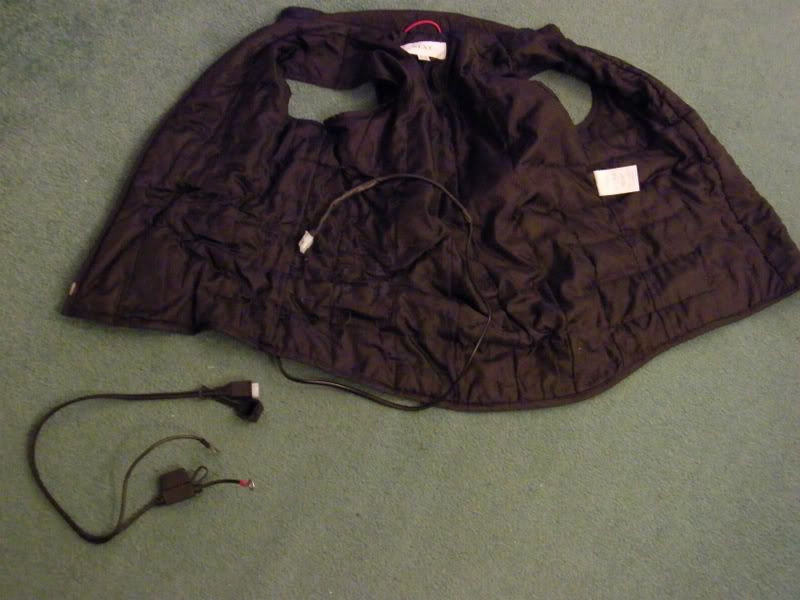
Connectors
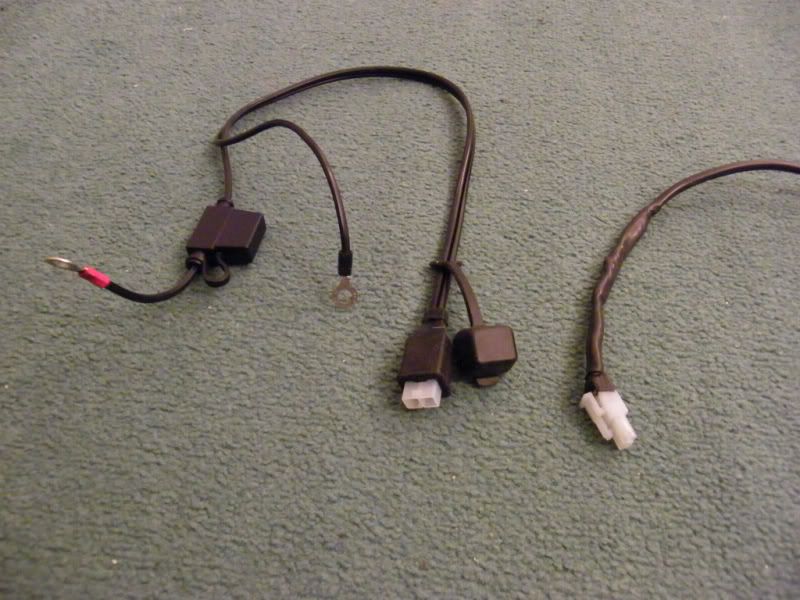
detail of heating element